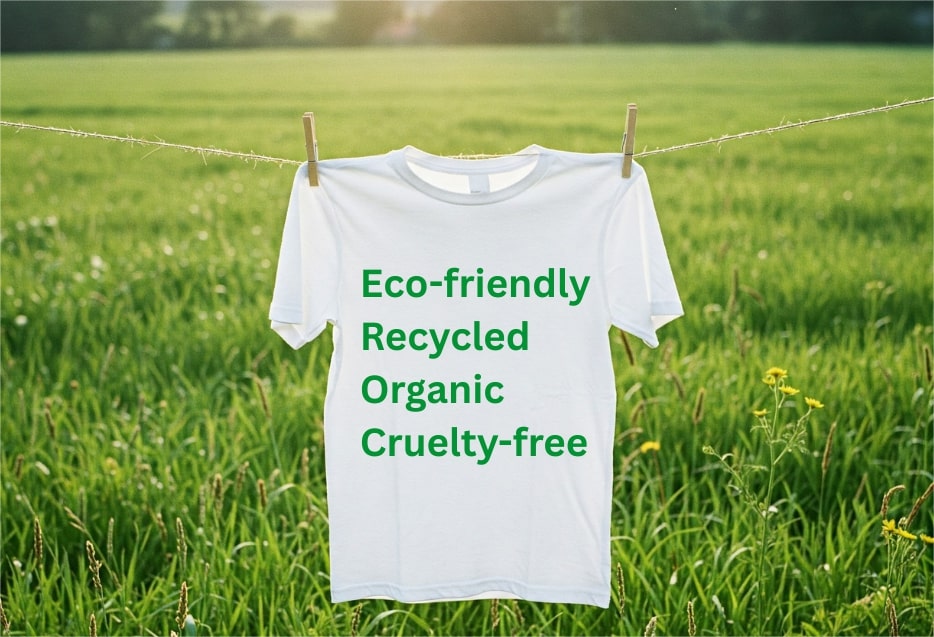
From billboards to social media, the fashion industry today is overflowing with words like sustainable, eco-friendly, organic, and green. More and more brands are trying to appeal to environmentally aware consumers. But how many of them actually walk the talk?
Enter greenwashing — a deceptive marketing tactic that makes companies appear eco-conscious when their actions tell a different story. In simpler words, greenwashing is like putting a green sticker on something harmful and hoping you won’t look too closely.
If you’ve ever been confused about whether your “organic cotton” t-shirt is truly sustainable or just a smart branding trick, you’re not alone. This blog will help you understand what greenwashing is, how to spot it in fashion, and why it’s important to stay informed as a shopper.
What is Greenwashing?
Greenwashing is when brands mislead consumers into believing that their products or operations are environmentally friendly when, in reality, they are not. It’s a form of false advertising. Companies do this to attract conscious consumers without making the real effort to improve their environmental footprint.
A classic example? A fast fashion brand launching a “green collection” using recycled fabric, but still producing millions of garments in factories with poor labor practices and excessive water usage.
Why Should You Care?
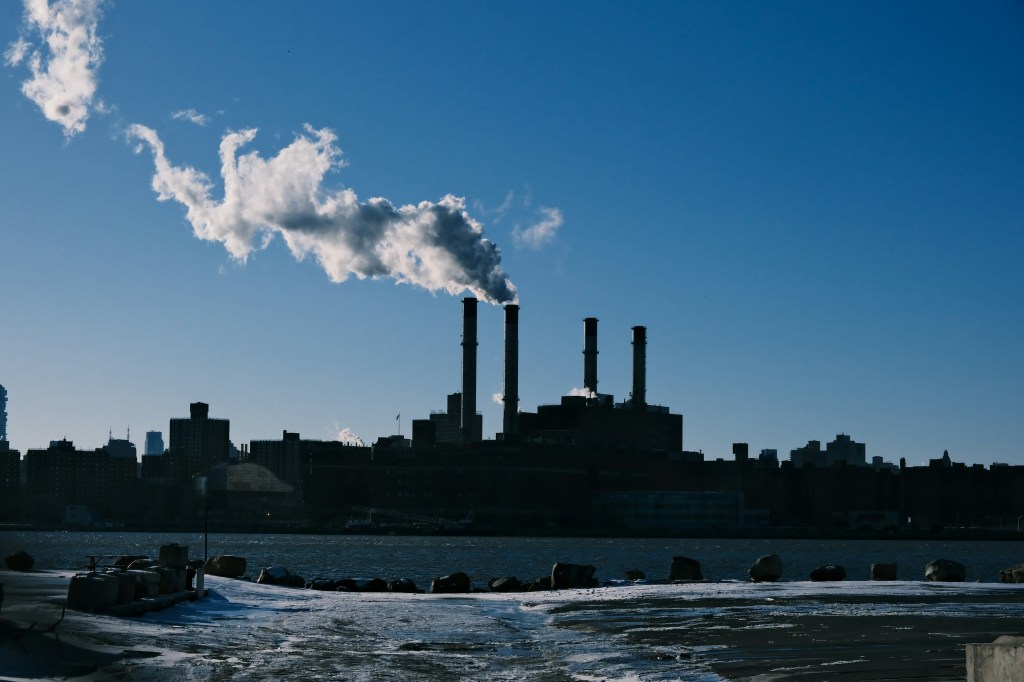
Fashion is the second most polluting industry in the world, after oil. According to the UN Environment Programme, it’s responsible for 10% of global carbon emissions and 20% of global wastewater. If brands aren’t truly committed to sustainability, they’re contributing to the problem, even if their ads say otherwise.
So when a brand fakes its sustainability efforts, it’s not just lying to you, but it’s also slowing down real progress. It diverts attention from brands that are genuinely working towards better practices and confuses customers who want to make responsible choices.
As consumers, we have the power to support brands that care. But to do that, we need to know how to detect greenwashing.
How to Detect Greenwashing in Fashion
1. Look Beyond Buzzwords
Brands often use vague terms like “eco-friendly”, “green”, “natural”, or “sustainable” without providing any proof. These words sound nice, but they mean little without context.
Tip: Check the brand’s website for clear explanations. For example, if a product is labelled sustainable, does the brand explain how? Is it because of the fabric, the production process, or the packaging? If there’s no detailed information, it’s probably greenwashing.
2. Check for Certifications
Genuine sustainable fashion brands usually carry third-party certifications to back their claims. Some common ones include:
GOTS (Global Organic Textile Standard) – for organic fabrics
OEKO-TEX – ensures textiles are free from harmful chemicals
Fair Trade Certified – guarantees ethical labor practices
PETA-Approved Vegan – confirms no animal-derived materials were used
If a brand talks about being eco-conscious but has no certifications, be cautious. Certifications act like a report card. No proof? No trust. If a brand makes big claims but doesn’t have these stamps, that’s a red flag.
3. Analyze the Scale of Sustainability
Is the brand truly sustainable, or is it just promoting one small “green” collection? If 95% of their products are still made using harmful materials and fast production cycles, then it’s likely just a marketing gimmick.
Many fast fashion giants launch limited eco-friendly collections just to appear sustainable — a textbook case of greenwashing.
Tip: Check if the brand’s sustainable practices are part of their overall business model or just a side project.
4. Review Transparency
Transparency is key to avoiding greenwashing. Ethical fashion brands usually provide in-depth details on:
• Where their clothes are made
• Who makes them
• What materials are used
• Their environmental policies
Brands like Patagonia, Reformation, and People Tree are known for openly sharing this data. If a brand is being secretive or vague, that’s a sign of greenwashing.
5. Examine the Price Tag
Sustainable fashion often costs more, and for good reason. Ethical materials, fair wages, and slow production all add to the price.
If a brand is selling a “100% sustainable dress” for ₹499, it’s worth questioning. Low prices usually mean someone or something is paying the price elsewhere. True sustainability doesn’t come cheap, unless it’s secondhand, upcycled, or from a clearance sale of a genuine slow-fashion brand.
6. Spot the Distractions
Some brands try to focus your attention on small, sustainable acts like switching to paper bags or using recycled hangers while ignoring the massive environmental cost of their overall production.
This is a subtle form of greenwashing — using small efforts to distract you from bigger problems.
Tip: Always look at the full picture. Is the brand really making a difference, or just doing the bare minimum for good PR?
7. Use Rating Platforms
If you’re not sure about a brand? You don’t have to be a detective. There are platforms that do the work for you:
• Good On You – Rates fashion brands on sustainability and ethics
• Remake – Offers brand transparency reports and guides
• Ethical Consumer – Helps evaluate companies based on people, planet, and profits
These tools can help you evaluate their sustainability practices. These platforms research and rate brands based on their impact on people, the planet, and animals.
In today’s increasingly conscious marketplace, understanding and identifying greenwashing is essential for every responsible consumer. While many fashion brands are genuinely moving toward sustainability, others may use misleading tactics to appear eco-friendly without meaningful action. Being an informed shopper doesn’t mean you have to be perfect; it just means asking the right questions.
Ultimately, sustainable fashion is not just a trend — it’s a long-term commitment to the planet and its people. By supporting truly ethical brands, you’re not just buying clothes; you’re backing a movement towards a cleaner, fairer fashion industry.
As consumers, our power lies in our purchases. The more thoughtfully we shop, the more we encourage transparency and accountability across the fashion industry. So next time you shop, don’t just look at the label, look behind it.


 The Namahh Edit
Leave a reply to What is the Voluntary Carbon Market? – The Namahh Edit Cancel reply