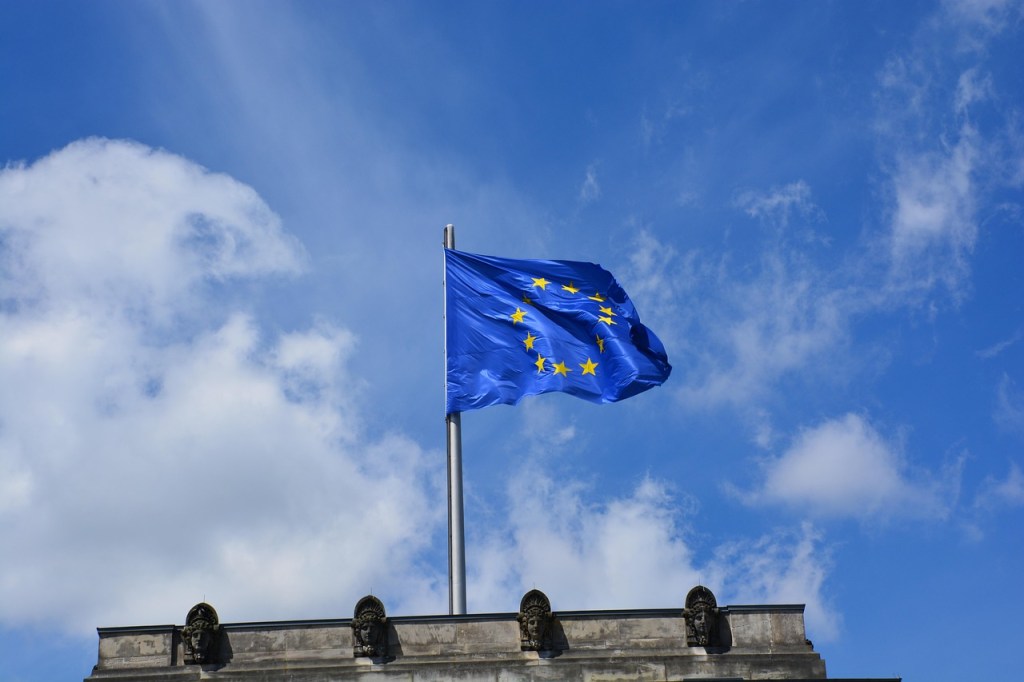
The European Commission has announced a significant pause and an intention to withdraw its highly anticipated proposal for a Green Claims Directive. This decision, which temporarily halts a key initiative aimed at regulating environmental claims made by companies, stems from growing concerns about its complexity and the potential administrative and financial burden it could place on micro-enterprises.
What was the Green Claims plan?
Initially proposed by the European Commission in March 2023 as a cornerstone of the broader European Green Deal, the Green Claims Directive sought to bring greater transparency and accountability to corporate environmental messaging.
The idea was simple: if a company said its product was eco-friendly or climate neutral, they’d have to prove it. This proof would need to come from independent experts, not just the company itself. The goal was to make sure customers got honest information and to stop greenwashing.
Why did they hit pause?
The decision to pause the legislative process is largely attributed to apprehension that the proposed regulations would prove too intricate and costly to implement, particularly for small and medium-sized enterprises (SMEs) across the EU.
This concern gained significant traction, notably with Italy’s official withdrawal of support for the proposal. Subsequently, crucial negotiations between the European Parliament, the Council of Ministers, and the European Commission were abruptly called off, signaling a deadlock in the legislative process.
What’s happening now?
While the Commission has publicly stated its intention to withdraw the proposal, it’s important to note that the formal withdrawal has not yet occurred. The final decision regarding the directive’s fate will depend on the outcome of ongoing discussions and negotiations with both the European Parliament and the Council of Ministers.
Despite this significant setback, the Commission has reiterated its commitment to the main goals of the plan – fostering transparency and sustainability within the market.
What could happen next?
Looking ahead, several potential outcomes could materialize. The Green Claims Directive might undergo a significant revision with a less burdensome alternative that addresses the concerns of smaller businesses.
Instead of a new law, the Commission might just make its current consumer protection laws stronger to better fight greenwashing. It is also plausible that the current pause is merely a temporary setback, and negotiations might eventually resume in a revised format in the future, once key stakeholder concerns are addressed.
In conclusion, the European Commission’s decision to pause the Green Claims Directive represents a pivotal moment in the EU’s ongoing efforts to ensure genuine environmental accountability. It shows they’re listening to concerns about how new rules would actually affect businesses, especially smaller ones. While the immediate future of this specific directive remains uncertain, the Commission’s unwavering commitment to combating greenwashing and promoting transparency and sustainability in the market stands firm.



 The Namahh Edit
Leave a comment