Amidst the rapid revolution of the fashion industry, the concept of sustainable fashion has transitioned from being a passing trend to a crucial imperative. In the past few years, the fashion industry has surged with a boom in its revenue due to rising consumer demand, which has led to severe over-production.
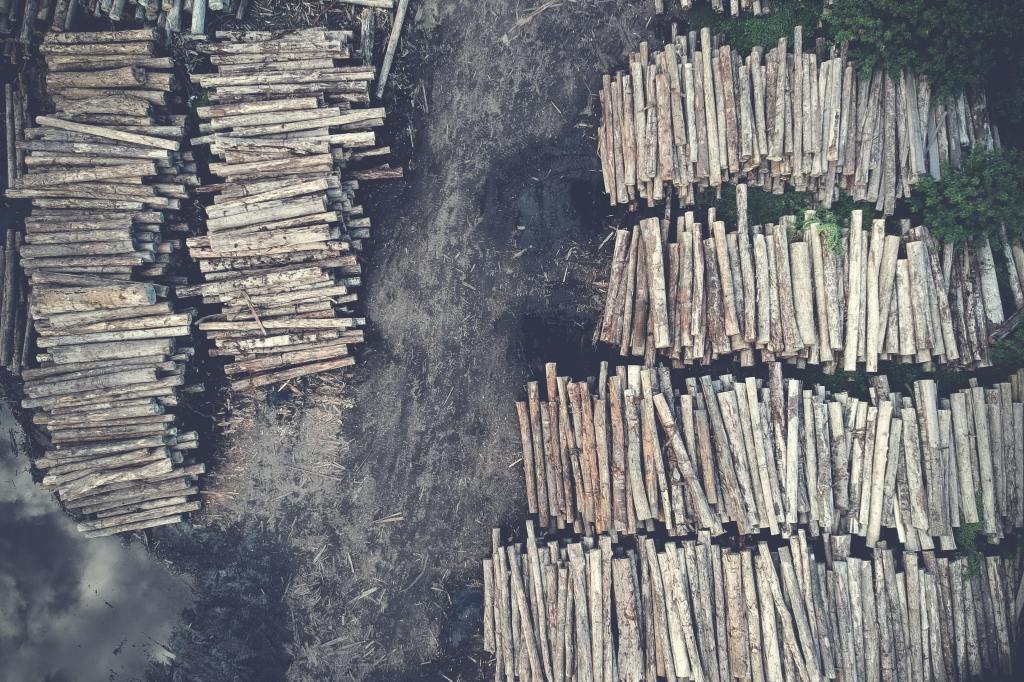
But the consequences of fast fashion extend well beyond our closets. The widespread conversations about ethical fashion tend to prioritize waste, pollution, and labour concerns, but the vital aspect of the demolition of global forests remains unacknowledged.
Deforestation is the most severe environmental consequence of the fashion industry, as vast forests are cleared to sustain its growth. From the initial procurement of textiles to final packaging, a significant portion of the fashion world is acquired from forests. This exerts a substantial influence on woodland ecosystems— loss of animal habitat, deteriorating air quality, and declining biodiversity. But, have you ever wondered how your clothes are part of such a severe environmental concern?
Let’s understand how the fashion industry contributes to deforestation:
1. The Viscose and Rayon Industry: Disguised as Sustainable
The viscose and rayon industry is recognized for promoting sustainable substitutes for synthetic textiles. However, the methods used to produce these ecologically sound alternatives are far from green. Their semi-synthetic fibers are extracted from wood pulp, which means the loss of millions of trees each year to meet the demand. Industries like these are destroying forests in countries like Indonesia, Brazil, and Canada at an alarming rate to supply the raw materials for these fabrics.
The market provides sustainable options like Lyocell (TENCEL™) which are more responsible choices as they use closed-loop processing. This method recycles back old textiles into new fabrics that minimize waste and resource use. Nevertheless, numerous fast fashion brands continue to prefer cheaper and less sustainable viscose.
2. Cotton Farming: A Water-Intensive Culprit
It is surprising to know that a natural fiber like cotton is harmful to our forests. Cotton cultivation leads to widespread deforestation as it requires vast tracts of land for extensive plantation. Its production requires enormous water resources and substantial pesticide application, which damages adjacent ecosystems.
Organic cotton represents an improved option yet requires responsible land management to stop excessive deforestation and soil degradation.
3. Cattle Ranching and Leather Production
The fashion industry relies heavily on leather products, yet the production process creates destructive supply chains that lead to deforestation. A large portion of global leather supply originates from cattle raised in the Amazon regions where deforestation takes place to create grazing space. The Brazilian Amazon, which plays a vital role in absorbing carbon, has faced significant harm because of the rising demand for beef and leather.
Nevertheless, choosing plant-based or lab-grown leather options can help lessen this impact while still keeping your style intact.
4. Palm Oil in Textile Production and Fashion Products
Palm oil isn’t limited to food and cosmetics, but it also plays a hidden role in clothing, appearing in textile treatments, dyes, and finishing processes. Its heavy demand is a major factor behind extensive deforestation in Southeast Asia, resulting in habitat loss for endangered species like orangutans and tigers.
Consumers can make a big difference by just checking for sustainable palm oil certification on product labels. So always choose brands that guarantee deforestation-free supply chains to make a positive impact on our forests.
5. Packaging Waste and Deforestation
The fashion industry’s excessive packaging habits, including decorative shopping bags and layers of tissue papers, come at the cost of our forests. Many brands are still highly dependent on virgin paper and cardboard, which results in increased logging and forest depletion.
The necessity to shift towards recycled or minimal packaging is vital for making a significant difference. Brands adopting compostable, reusable, or FSC-certified packaging are setting a better example.
6. Fast Fashion’s Role in Land Clearing
The growth of the fashion industry signifies a constant requirement for new factories, warehouses, and supply chain infrastructure. For this expansion, vast areas of land are cleared, leading to massive deforestation in developing regions where regulation on land is relatively weak.
Consumers should support slow fashion, second-hand fashion, and ethical brands that prioritize responsible sourcing over excessive production. This can make a huge positive impact in reducing deforestation and preserving wildlife.
7. Synthetic Fabrics and Microplastics
Synthetic fibers like polyester do not contribute directly to deforestation, but their production process harms the environment. Made from fossil fuels and oil extraction, polyester frequently results in land degradation and destruction of forests. When polyester garments are washed, they release microscopic plastic fibers into our water systems, affecting the aquatic ecosystem.
Choosing recycled polyester or biodegradable fabric alternatives can help address this hidden issue.
8. Wood-Based Accessories and Fashion Trends
Wooden accessories are trending nowadays; people like carrying such eco-friendly stuff around. They do give a stunning look, but what is concerning about them is some of that wood isn’t exactly good wood. Fancy woods like mahogany and ebony, are frequently stolen and illegally cut down by many companies, causing extensive deforestation in regions like Africa and South America.
By preferring FSC-certified wood or recycled materials, we can ensure that our fashion choices do not cost us our forests.
How can consumers contribute to solving this issue?
It’s important to highlight the issues, but figuring out a solution is the need of the hour. The good news is that there are numerous ways a consumer can reduce the adverse effects of fashion on forests. Let’s explore some of them:
- Buy less, choose better—always prefer quality over quantity!
- Choose sustainable brands having certifications like FSC, GOTS, and OEKO-TEX.
- Go for alternative fabrics like organic cotton, TENCEL™, hemp, and recycled fabrics.
- Avoid unnecessary packaging.
Fast fashion is contributing a lot in hurting our forests, but it doesn’t have to be that way forever. Consumers, brands, and policymakers are becoming aware of such issues, which will gradually result in better choices. Smart purchases and support for brands that care, will save us our forests. We can have both style and sustainability, but we need to push for it. Let’s start today, even with small things.


 The Namahh Edit
Leave a comment