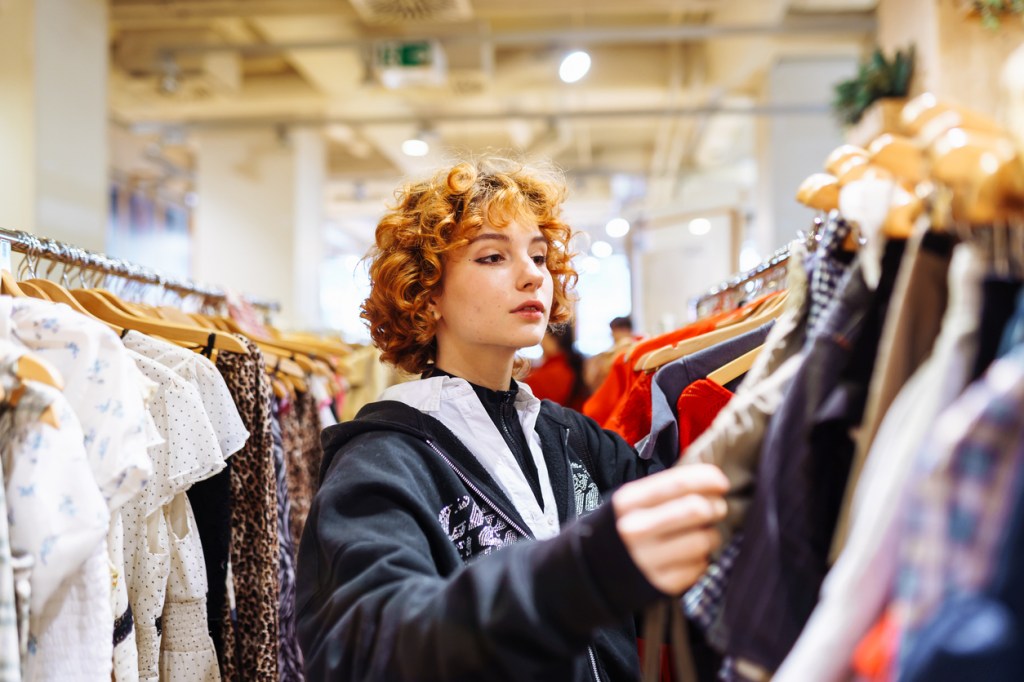
Remember the days when shopping was a chore, a necessary task to procure the essentials? Today, shopping has transformed into a thrilling adventure, a modern-day pastime that offers excitement, indulgence, and a sense of accomplishment.
The allure of shopping lies in its ability to fulfill a variety of needs and desires. It’s a form of self-expression, allowing us to showcase our personal style and preferences. And it’s a source of pleasure, providing a much-needed escape from the stresses of daily life.
The rise of online shopping has further revolutionized the retail landscape. The convenience of shopping from the comfort of your own home, coupled with the vast selection of products available online, has made shopping even more accessible and enjoyable. Online retailers have gone to great lengths to create a seamless and personalized shopping experience, offering features like virtual try-ons, personalized recommendations, and fast and free shipping.
While the transformation of shopping into a recreational activity has undoubtedly brought many benefits, it’s important to acknowledge the potential downsides of excessive consumerism. Overconsumption, fueled by the allure of new products and the pressure to keep up with trends, can have negative consequences.
The production of clothing requires a vast array of natural resources, including water, energy, and raw materials. Fast fashion often relies on low-quality materials and unsustainable production methods, leading to increased resource consumption. The disposable nature of fast fashion has led to a mountain of textile waste, quite literally.
Several fast fashion brands, known for their low prices and rapid product turnover, have faced criticism for their contributions to the landfill problem. Shein, in particular, has been under scrutiny for its unsustainable production practices and excessive waste. Despite efforts to improve sustainability, giants like H&M and Zara continue to produce vast quantities of clothing, contributing to the disposable nature of the fast fashion industry.
As consumers, we have the power to make a difference. By choosing sustainable fashion options and reducing our consumption, we can help mitigate the negative environmental impacts of the fashion industry.
By making conscious choices, we can contribute to a more sustainable fashion industry and reduce our individual environmental footprint. Remember, it’s not about giving up on fashion entirely, but about making mindful and responsible choices.

 The Namahh Edit
Leave a comment