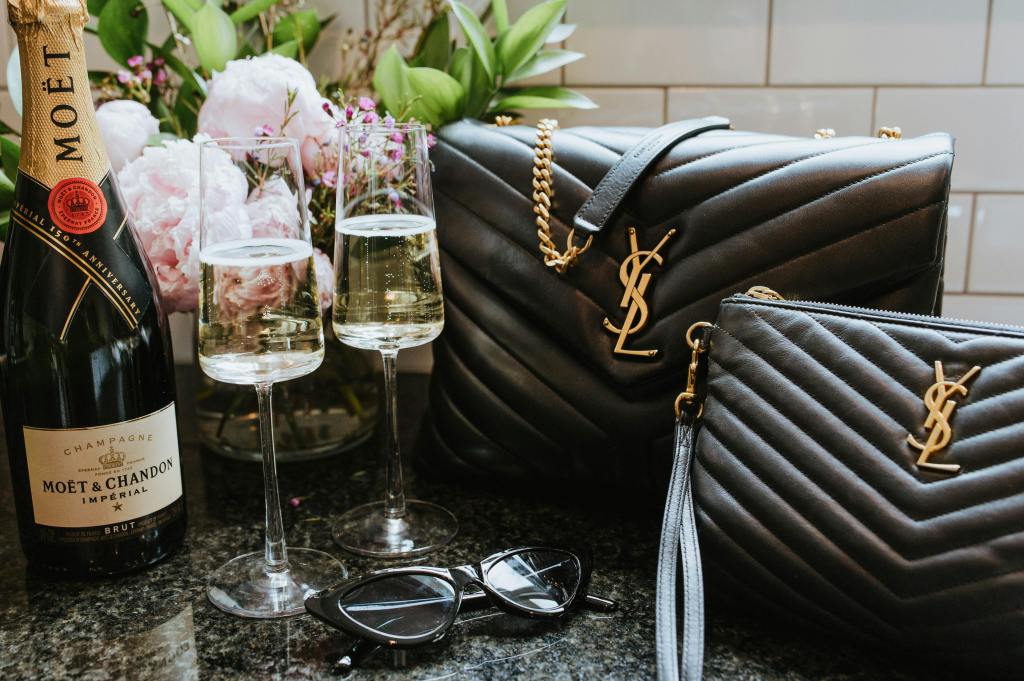
The allure of the investment handbag stands out as both intriguing and, for many, unrealistic. These high-end, iconic bags, often costing thousands or even tens of thousands of dollars, have become a symbol of both luxury and financial prowess.
But is the investment handbag truly as appealing and achievable as it seems?
Several iconic handbags have made their mark as investment pieces, for instance:
1. Hermès Birkin: The Birkin bag is considered to be the epitome of luxury and exclusivity. Birkin bags have consistently appreciated in value, with some reaching astronomical prices at auctions.
2. Chanel Classic Flap Bag: The Chanel Classic Flap Bag is a favorite among collectors and investors.
3. Louis Vuitton Keepall: The Keepall is a staple for travelers, and its value has been steadily increasing. It’s one of the more accessible options for those looking to start their investment handbag collection.
4. Gucci Dionysus: The Gucci Dionysus bag, with its distinctive tiger head closure, has gained a reputation as an investment piece thanks to its unique design and brand resurgence.
5. Fendi Baguette: The Fendi Baguette is a classic in the fashion world. It has experienced a resurgence in popularity, making it a sought-after investment item.
One of the primary drivers of the investment handbag’s unrealistic appeal is the promise of enduring value. The idea that a luxury bag can not only hold its value but appreciate over time seems like an investment dream come true. Another element contributing to the unrealistic appeal of investment handbags is the hefty price tag associated with these items. For many, spending thousands of dollars on a single accessory is simply unattainable. The exclusivity and high cost of these bags create a sense of desirability, but they also make them far from the reach of most individuals.
Celebrities and influencers often play a pivotal role in driving the unrealistic appeal of investment handbags. When high-profile figures are seen carrying a particular bag, it creates a frenzy of demand. The social pressure to emulate the lifestyle of celebrities often leads individuals to make unrealistic financial decisions to acquire these coveted items.
An insight into Birkins
Image source: Wall Street Journal
The Hermes Birkin bag stands as a symbol of opulence taken to ridiculous heights. It’s often touted as the pinnacle of luxury. The most glaringly absurd aspect of the Hermes Birkin is its astronomical price tag. To date, the highest-priced publicly sold Birkin bag was auctioned by Sotheby’s in 2022. This bag, known as the “Diamond Himalaya Birkin,” was adorned with white diamonds and fetched a staggering amount exceeding $450,000. Phew!
These bags can cost as much as a small car or even a down payment on a house. The exorbitant prices often leave people incredulous, questioning the sanity of anyone willing to spend such sums on a fashion accessory. If the initial purchase price wasn’t enough, the secondary market for Birkin bags takes the concept of absurdity to new heights. Rare, vintage, and limited-edition Birkins can be sold for prices that defy comprehension. Collectors and investors engage in bidding wars that can reach six or even seven figures for a single handbag.
Hermes maintains an air of exclusivity by limiting the production and availability of Birkin bags. This strategy, while effective in driving up demand, also perpetuates a sense of artificial scarcity. It’s a marketing ploy that can seem rather ludicrous, considering that the bags themselves are, after all, just bags.
It’s not uncommon to see paparazzi shots of A-listers toting Birkins. These images fuel the misconception that owning a Birkin is a rite of passage into a certain elite circle, which is, in reality, a highly limited group.
And, of course, there’s the elusive waiting list. Potential buyers are often subjected to the absurdity of waiting lists that stretch into years. Waiting for years to buy a handbag, no matter how luxurious, seems like an exercise in absurdity, yet it’s a common experience for those eager to join the Birkin club.
The limited edition label has a hypnotic effect on consumers. Brands skillfully create a sense of urgency by launching limited runs of exclusive handbags, convincing shoppers that they’re making a once-in-a-lifetime investment. Scarcity enhances the desirability and value of these items.
Who’s the greater fool?
The idea of an accessory doubling as an investment is, at its core, rather ludicrous, as fashion items primarily serve an aesthetic and functional purpose.
Consumers are led to believe that these bags are sound investments because they will appreciate over time. However, the Greater Fool Theory comes into play – buying an expensive bag with the hope of selling it to an even greater fool in the future.
The most unsettling aspect of bag brands’ investment lure is its impact on personal finances. Many individuals are tempted to stretch their budgets, take on debt, or make hasty financial choices to acquire these high-priced items. Such decisions can lead to financial strain and misalignment of spending priorities.
The seduction of “investing” in exclusive and premium handbags is a dubious game that brands play with consumers. While luxury handbags can undoubtedly be beautiful and desirable fashion items, positioning them as financial investments is often misleading and unrealistic. It’s essential for consumers to critically evaluate the true value of these purchases and ensure they align with their financial goals and values. Ultimately, the pursuit of high-end handbags should be a matter of personal choice and enjoyment, not a belief in unrealistic promises of financial gain.


 The Namahh Edit