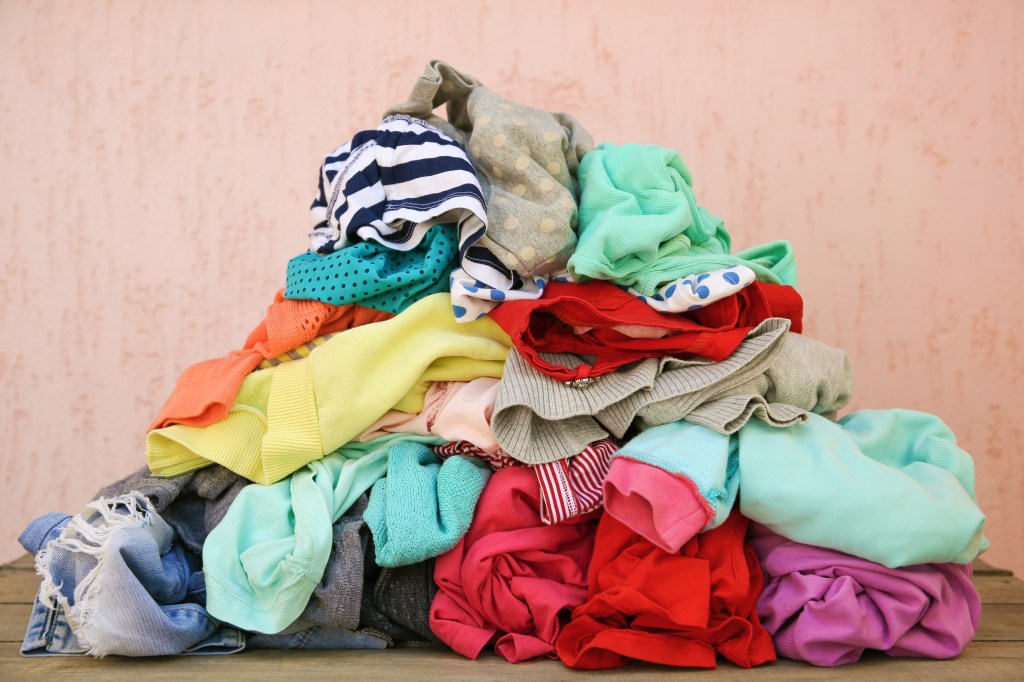
In the ever-evolving world of fashion, sustainability has become an imperative goal. As we strive to reduce our environmental footprint, the fashion industry is making significant strides in incorporating eco-friendly practices. One of these practices is the use of deadstock fabric.
If you’re new to the term, deadstock fabric refers to surplus or leftover textiles that were never used in the production of clothing. Think canceled orders, overproduction, or discontinued lines. Instead of gathering dust in warehouses, these fabrics are becoming the stars of the show in the sustainability movement.
Why Deadstock Matters
1. The Environmental Impact: Deadstock fabric is a key player in reducing the need for new textile production. Traditional textile manufacturing is notorious for its resource-intensive processes and environmental harm. By using deadstock fabric, designers make a powerful statement for responsible resource management.
2. Waste Diversion: Landfills are drowning in discarded clothing and textiles. Deadstock fabric, when repurposed, takes a direct route away from these overflowing landfills, making it a lifeline in the fight against textile waste.
3. Cost-Effective & Unique: For designers, deadstock fabric often comes at a lower cost compared to newly manufactured textiles. It’s a win-win for both the planet and your budget. Plus, the unique and limited nature of deadstock materials can set your creations apart.
The Art of Designing with Deadstock
1. Upcycling: The art of upcycling involves taking old materials and breathing new life into them. Designers are turning deadstock fabric into creative, one-of-a-kind pieces, be it clothing, accessories, or even home furnishings.
2. Limited Edition Collections: Limited edition lines, crafted using deadstock fabric, are fast becoming a trend. The exclusivity and environmental responsibility make these collections highly sought after. It’s a win-win for both consumers and the Earth.
3. Mix and Match: The beauty of using deadstock fabric is the freedom to mix and match. Combining these materials with new ones creates a contrast of textures and colors, resulting in awe-inspiring designs.
4. Collaborate and Conquer: Collaboration is the name of the game. Sharing deadstock resources with fellow designers fosters a sense of community and a collective push towards sustainability.
The use of deadstock fabric in fashion is a win-win situation. It reduces environmental impact, minimizes waste, and opens up new avenues for creative expression. By using deadstock fabric, designers can contribute to a more sustainable and responsible fashion industry. There are endless opportunities to incorporate deadstock fabric into your designs, paving the way for a brighter, greener future for fashion.


 The Namahh Edit