The fashion industry today stands at a pivotal crossroads. It’s no longer just about trends and style; sustainability is the new name of the game. A significant portion of this transformation lies in the hands of consumers.
It’s no secret that consumers hold considerable influence over the fashion industry. They are the engine that powers this multi-billion-dollar machine. Traditionally, fashion’s primary focus was on creating a sense of desire, an urge to follow the latest trends. However, as consumers become more conscious of their choices and their impact on the environment, the paradigm is shifting.
Sustainable fashion is about producing clothing, accessories, and footwear in a way that has a minimal impact on the environment. This encompasses ethical labor practices, eco-friendly materials, reduced waste, and a focus on longevity. It’s about fostering a more responsible relationship with the fashion industry.
Even though there are a significant number of people who swear by brands such as She-in and Zara, despite their very evident unethical practices, there’s an increasing number of people who are moving in the opposite direction towards slow and conscious fashion brands.
The Consumer Revolution
Here’s how consumers are driving the sustainable fashion revolution:
1. Demand for Transparency
Consumers are no longer content with not knowing where their clothes come from. They demand transparency. They want to know how and where their garments are produced, the working conditions of the labor force, and the environmental practices of the brand. This push for transparency has led many companies to be more accountable for their actions, encouraging better practices throughout the supply chain.
2. Conscious Consumption
Consumers are becoming more mindful of what they buy. The “less is more” concept is gaining traction, with shoppers choosing to invest in quality, timeless pieces that will last for years. This approach not only reduces waste but also encourages designers to create pieces that stand the test of time.
Read: Reviving Fashion with Deadstock Fabric: Sustainable Designing
3. Support for Ethical Practices
The exploitation of cheap labor has been a dark side of the fashion industry. The Rana Plaza accident in 2013 brought the dark side of fashion to the forefront, and we can never look away from it. Consumers now increasingly support brands that prioritize ethical labor practices, fair wages, and safe working conditions. Companies that respect human rights and treat their employees well are receiving more attention.
4. Embrace of Eco-Friendly Materials
Consumers are choosing clothes made from sustainable, eco-friendly materials like organic cotton, recycled fabrics, and materials that have a lower environmental footprint. This shift has propelled the development and availability of these materials in the market.
5. Second-hand and Vintage Love
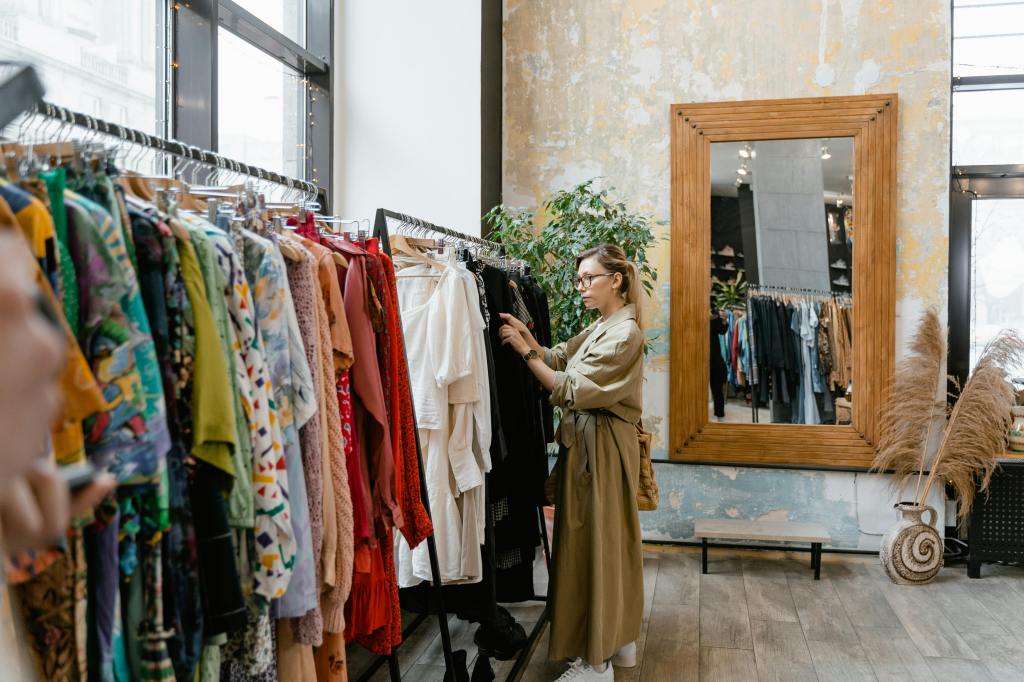
Thrifting and the love for vintage fashion have taken the world by storm. This trend not only extends the life of clothing but also reduces the demand for new manufacturing, conserving resources.
6. Pressure on Brands
Through petitions, boycotts, and social media campaigns, consumers have the power to pressure brands into adopting more sustainable practices. This consumer activism is forcing brands to take responsibility for their environmental and ethical choices.
The sustainable fashion revolution isn’t confined to runways and design studios; it’s in your closet, in the choices you make every day. As consumers become more informed and conscious, the fashion industry is being steered in a more sustainable direction. It’s a collective effort, and the role of consumers in promoting sustainable fashion is a powerful one, shaping an industry that is not just stylish but also socially and environmentally responsible.


 The Namahh Edit